
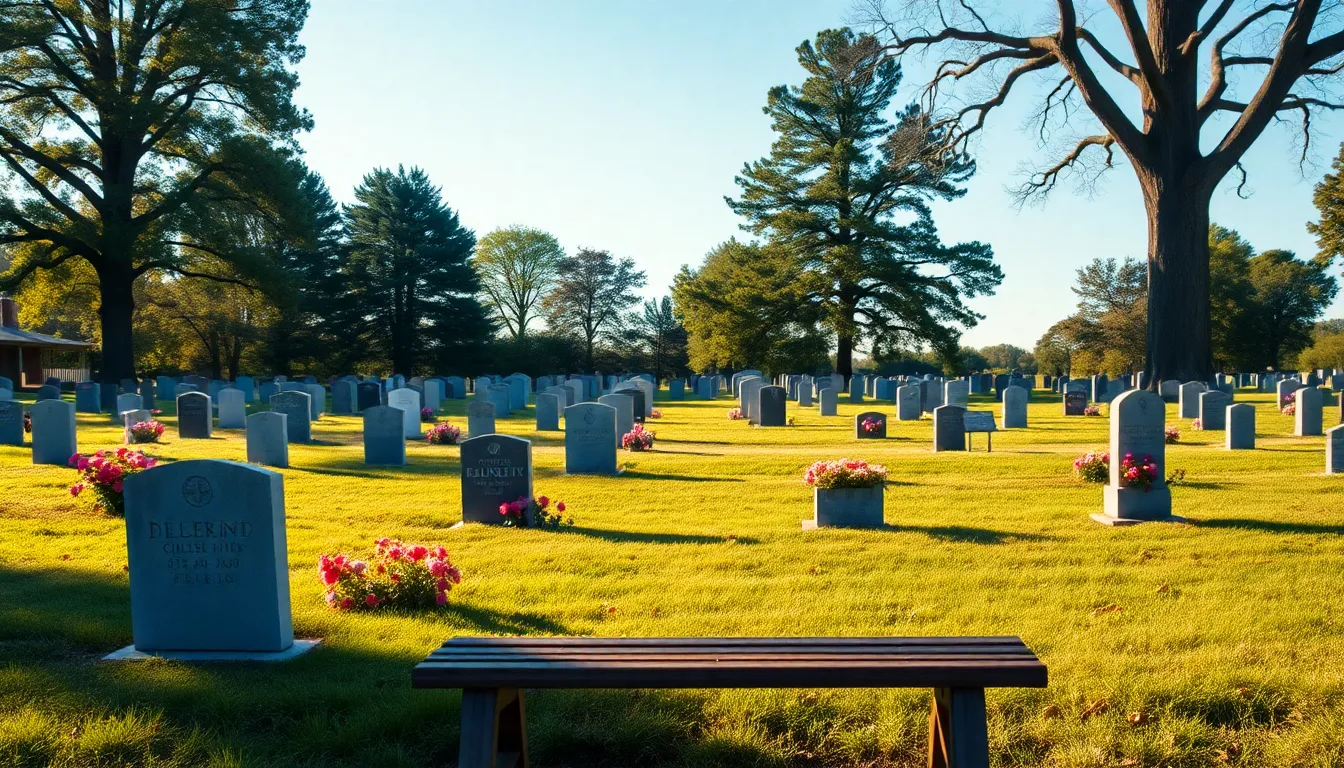
In Greene County, MO, death notices aren’t just a somber announcement; they’re a window into the lives that once filled the community with laughter, stories, and perhaps a questionable dance move or two. While it might seem a little morbid to talk about, these notices offer a unique glimpse into the rich tapestry of local history, celebrating the lives that shaped this vibrant area.
Navigating through these notices can be like finding the last slice of pizza at a party—unexpected yet fulfilling. Whether you’re searching for a loved one’s tribute or just curious about the local happenings, understanding these announcements can help connect the dots in a community that thrives on relationships. So, let’s dive into the world of Greene County’s death notices and uncover the stories behind the names. Who knows? You might just find a reason to smile amidst the solemnity.
Table of Contents
ToggleOverview of Greene County, MO Death Notices
Death notices in Greene County, MO hold significant importance within the community. They provide essential information about individuals who have passed away, highlighting their contributions and connections to the area. These notices often contain details like the deceased’s age, date of death, and surviving family members.
Community members utilize death notices to mourn, remember, and celebrate lives well-lived. Families often share personal anecdotes, reflecting the individual’s character and passions. By examining these notices, residents can connect with their shared history and honor local legacies.
Local newspapers and online platforms publish death notices, making them accessible to everyone. Consequently, this information serves as a valuable resource for genealogists, historians, and anyone seeking to learn more about their roots. Within these notices, stories unfold, uncovering the intertwined relationships that shape Greene County’s rich tapestry.
Funeral services mentioned in the notices allow individuals to pay their respects. These gatherings can foster a sense of community and support during times of grief. Understanding the significance of these gatherings highlights the collective nature of mourning within Greene County.
Death notices in Greene County, MO are more than a mere record of loss. They reflect the community’s history, celebrate individual stories, and connect residents through shared experiences. Accessing these notices provides insight into the lives that have enriched the area, making them a meaningful aspect of the community’s narrative.
Importance of Death Notices
Death notices play a crucial role in communities like Greene County, MO. They serve not just as announcements of loss, but as historical records and reflections of community life.
Historical Significance
Historical insight emerges through death notices in Greene County. These records document genealogies, revealing patterns of migration and settlement over generations. Researchers often rely on this information to piece together family histories. The community’s past unfolds through the stories shared in these notices. They highlight notable figures and everyday individuals, showcasing both contributions and sacrifices. By documenting deaths, local history stays alive, allowing future generations to connect with their roots and understand the area’s development.
Community Impact
Community bonding strengthens through the publication of death notices. Friends and family gather to share memories, creating a support network during difficult times. They encourage personal connections, fostering a sense of belonging among residents. Local businesses often provide services in response to notices, enhancing community solidarity. Additionally, these notices serve as gathering points for reflections and tributes, allowing individuals to celebrate lives and express grief collectively. Communities thrive when they come together to honor their own, making death notices an integral part of Greene County’s social fabric.
How to Access Greene County, MO Death Notices
Accessing death notices in Greene County, MO offers a way to connect with the community’s shared memories and histories. Various resources are available, both online and in print, making it easier for individuals to find the information they seek.
Online Resources
Online platforms provide quick access to death notices. Websites like Legacy.com and local funeral home pages often post recent obituaries, allowing users to search by name or date. Social media groups also share notices, fostering community engagement. Many local libraries maintain archives of death notices accessible through digital databases. Genealogy websites like Ancestry.com or FamilySearch.org offer extensive records that include death entries, contextualizing family histories.
Local Newspapers
Local newspapers play a vital role in disseminating death notices. The Springfield News-Leader regularly publishes these announcements in print and on its website. Indexing services within newspaper archives aid in tracking down specific notices by date or individual names. Many residents turn to these publications not only for announcements but also to read heartfelt tributes. The historical archives of these papers serve genealogical research, offering insights into community lineages and local histories.
Understanding the Information in Death Notices
Death notices provide critical information about individuals who have passed away. They typically include essential details such as age, date of death, surviving family members, and funeral service information. These notices often highlight the deceased’s character and passions, creating a connection to their life stories.
Common Details Included
Important details consistently featured in death notices encompass the deceased’s full name, date of birth, age at death, and date of death. Relationships to surviving family members are usually defined, such as spouse, children, and grandchildren. Mentioning funeral service arrangements allows community members to join in commemorating the deceased. Many notices also include personal anecdotes or quotes that celebrate unique aspects of the individual’s life.
Legal and Cultural Considerations
Legal requirements often shape the content of death notices. Family members must ensure compliance with state regulations regarding the publication of these notices. Culturally, death notices reflect local traditions, showcasing how different communities honor their deceased. Religious beliefs might influence the type of services referenced, including burial or cremation practices. Community standards may also dictate how personal or public the details shared should be, making sensitivity vital in these announcements.
Recent Trends in Death Notices
Recent data indicates an increase in online publication of death notices in Greene County. These notices now reach a broader audience via sites like Legacy.com and social media groups. Local newspapers remain pivotal, with the Springfield News-Leader consistently publishing announcements that reflect community connections.
Changes in the style of death notices have emerged, often highlighting personal stories or memorable anecdotes. These narratives invite more emotional engagement and contribute to the way families share their loved ones’ legacies. As a result, many notices now include photographs, allowing a more personal touch that resonates with the community.
Considerable interest surrounds the inclusion of detailed information, such as the deceased’s hobbies or contributions to society. This trend reflects an evolving approach to commemorating lives, emphasizing unique aspects over mere statistics. Additionally, family members increasingly share these notices on social platforms, which encourages communal mourning and remembrance.
Demographic shifts also influence death notices, with varied age groups reflected in recent announcements. The notices now highlight a younger demographic alongside older generations, showcasing the community’s diverse fabric. This shift illustrates the profound impact individuals from various backgrounds continue to have on Greene County.
Access methods have changed considerably, as residents embrace digital resources amidst ongoing technological advancements. Libraries adapt by enhancing their digital archives, permitting easier searches by genealogists and family historians. Furthermore, community forums actively discuss trending death notices, providing collaborative spaces for shared memories and support.
Overall trends portray death notices not only as announcements but as essential community narratives, strengthening bonds while honoring lives lived in Greene County.
Death notices in Greene County, MO, are vital reflections of the community’s history and connections. They not only announce loss but also celebrate lives, weaving together the stories that shape the local narrative. As individuals explore these notices, they uncover shared experiences that foster a sense of belonging and remembrance.
The accessibility of these notices through various platforms ensures that everyone can engage with the community’s history. Whether through online resources or local newspapers, the information contained within these notices serves as a bridge between past and present. Ultimately, they strengthen community bonds and honor the legacies of those who have passed, ensuring their stories continue to resonate within Greene County.