

Ever sent a message and felt like it vanished into the void? If your iPhone’s messaging app isn’t giving you that sweet “delivered” status, you’re not alone. It’s like sending a message in a bottle and hoping it washes ashore. But why does this happen?
Understanding Message Delivery on iPhone
Message delivery on the iPhone can often lead to confusion when users don’t see the “delivered” status. Several factors contribute to this issue that can impact communication.
How iPhone Message Delivery Works
iPhone utilizes Apple’s iMessage service for sending messages between devices. Messages sent to other iPhone users typically display a delivery status. When the recipient’s device successfully receives the message, a “Delivered” acknowledgment appears beneath the message. Factors like network connection, device settings, and the recipient’s device status influence whether or not this acknowledgement is visible. If the recipient’s device is turned off or if there’s a network issue, a “Not Delivered” status might occur instead.
Common Delivery Notifications
Common delivery notifications include “Sent” and “Delivered.” A “Sent” status means the message left the sender’s device but hasn’t reached the recipient’s device yet. Conversely, “Delivered” indicates successful delivery to the recipient’s device. Notifications may vary depending on whether recipients use iMessage or SMS. Users should also check their own network connectivity and device settings, as these impact delivery notifications.
Possible Reasons for Non-Delivery
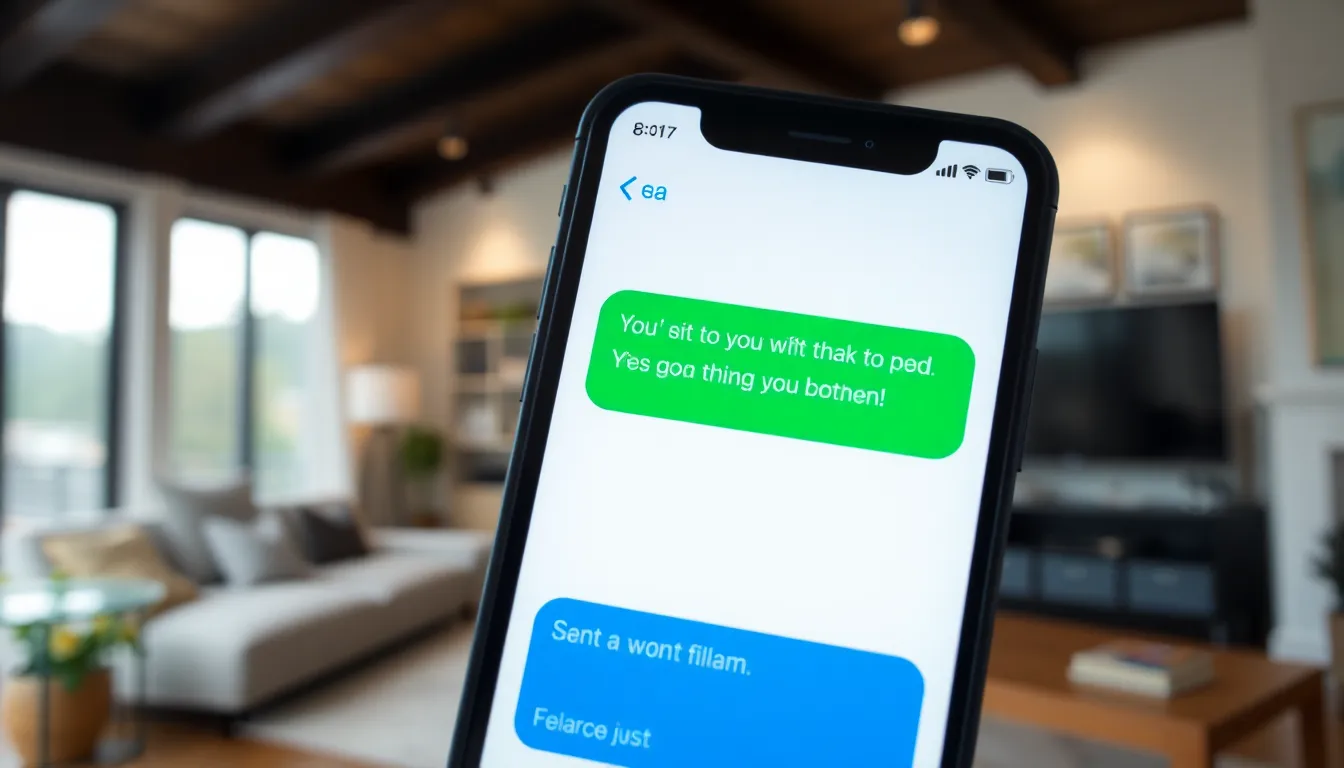
Several factors can lead to messages not showing a “delivered” status on an iPhone. Understanding these components helps troubleshoot the issue effectively.
Network Connectivity Issues
Network connectivity issues often disrupt message delivery. A weak Wi-Fi or cellular signal can prevent messages from reaching the recipient. When the iPhone loses connection, it cannot send messages through iMessage or SMS. Users should check the network status before sending important messages. Additionally, switching from Wi-Fi to cellular data might resolve connectivity problems. Frequent disconnections may also require resetting the network settings.
iMessage vs. SMS
The choice between iMessage and SMS significantly impacts message delivery. iMessage requires a stable internet connection, while SMS relies on carrier networks. If the recipient has disabled iMessage, texts sent as iMessages may not show “delivered.” Users can check the message bubble color to determine the format. Green bubbles indicate SMS, while blue bubbles signify iMessage. Users should be aware that sending an iMessage to a non-iPhone user results in SMS, which may not provide the same delivery notifications.
Device Settings and Configurations
Device settings and configurations affect message delivery status. Disabling iMessage in settings can prevent messages from displaying the “delivered” acknowledgment. Checking the “Send as SMS” option can also ensure texts go through when iMessage fails. Users should ensure that their devices have the latest iOS updates installed for optimal functionality. Additionally, the focus should be on ensuring that the recipient’s settings allow message reception. Privacy settings might restrict message notifications and visibility, contributing to confusion regarding delivery statuses.
Troubleshooting Steps
These steps help identify and resolve the issue of messages not showing as “delivered” on an iPhone.
Restart Your Device
Restarting the device can resolve temporary glitches impacting message delivery. Users can do this by holding the side button until the power slider appears. Once the device powers off completely, waiting for about 30 seconds before turning it back on can refresh the system. After rebooting, sending a test message can verify whether delivery notifications work correctly.
Check Network Settings
Network settings play a crucial role in message delivery. Users should verify their Wi-Fi or cellular connection is stable. Turning Airplane Mode on and then off might reset network connections effectively. Checking whether Wi-Fi calls are enabled is also recommended, as it may affect iMessage functionality. Resetting network settings through the device’s general settings can fix any misconfigurations that hinder connectivity.
Update iOS Software
Keeping iOS software up to date enhances device performance and stability. Users need to navigate to Settings, select General, then Software Update. If an update is available, downloading and installing it can resolve underlying issues affecting message delivery. Ensuring the device runs the latest version of iOS prevents compatibility problems that could interfere with messaging features.
When to Seek Additional Help
If messages continue to lack a “delivered” status after troubleshooting, further assistance might be necessary. Users may encounter issues that require expert intervention.
Contacting Your Carrier
Contacting the carrier can clarify network-related problems. Carriers often provide insights into service disruptions in specific areas. When users suspect that their mobile service affects message delivery, reaching out for support might yield solutions. Carrier representatives can check for outages or issues on their end. Customers might also inquire about their plan’s compatibility with iMessage, ensuring settings align with the required configurations.
Apple Support Resources
Apple Support offers a wealth of resources for resolving message delivery issues. Users can access diagnostics through Apple’s website or support app. Online guides detail common problems and potential fixes. If self-help isn’t enough, direct support through chat or phone is available. Representatives can walk users through advanced troubleshooting steps. Apple also provides an extensive user community where shared experiences can highlight additional solutions.
Experiencing the absence of a “delivered” status on an iPhone can be frustrating. Understanding the various factors that contribute to this issue is essential for users seeking a resolution. By checking network connectivity device settings and ensuring the proper message format is being used users can often resolve delivery problems.
If issues persist after troubleshooting it’s wise to reach out to the carrier or consult Apple Support for further assistance. With the right approach users can regain confidence in their messaging experience and ensure their important communications are successfully delivered.